The Ultimate Guide to Professional Waterfront Dining: Etiquette, Cuisine, and Atmosphere
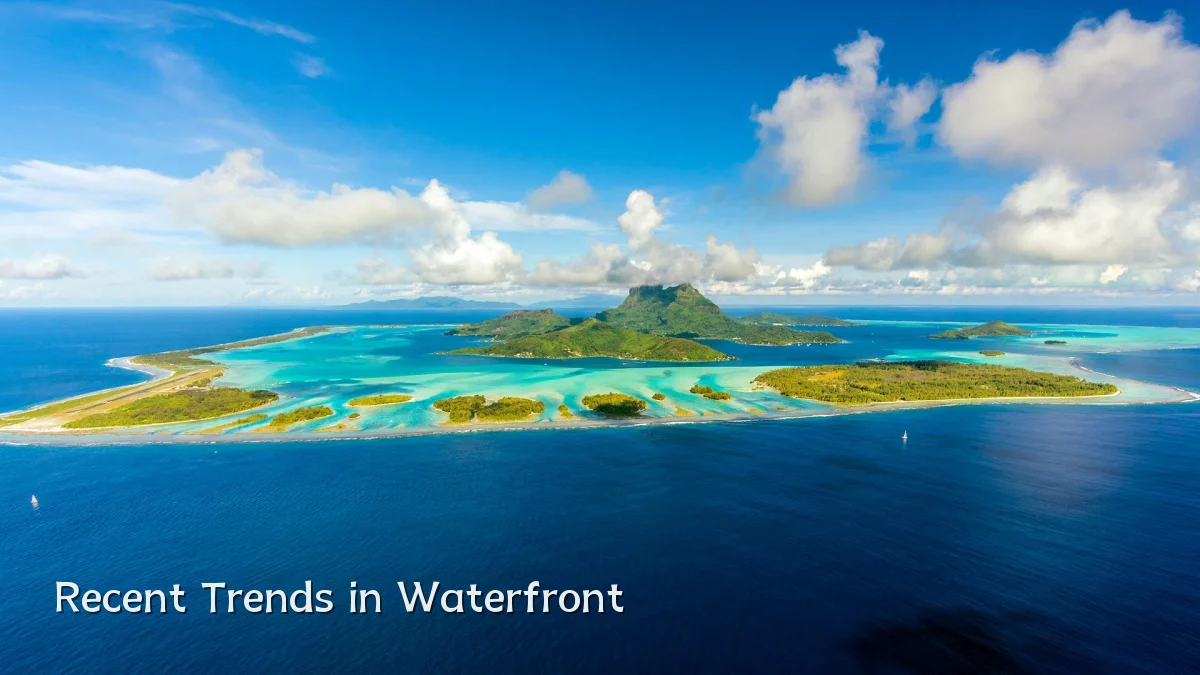
Recent Trends in Waterfront Dining
In the last several seasons, waterfront dining has shifted from a purely seasonal amenity to a year-round professional experience. Operators are investing in climate-controlled terraces, retractable glass walls, and heated decks that extend service well beyond the summer months. Menus increasingly emphasize locally sourced seafood and farm-to-table produce, while dress codes have relaxed slightly—though most high-end venues still require collared shirts and closed-toe shoes for dinner service.
- Rise of “al fresco with infrastructure”: heated floors, wind screens, and misting systems allow comfortable dining in shoulder seasons.
- Growth in private event bookings: corporate dinners and milestone celebrations now routinely book waterfront spaces up to six months in advance.
- Integration of sustainable seafood certifications and seasonal rotation of catches directly from regional fisheries.
Background: The Rise of Professional Waterfront Venues
Professional waterfront dining was once the domain of yacht clubs and resort hotels. Over the past decade, independent restaurateurs and boutique hotel groups have opened standalone venues that prioritize service standards, wine programs, and multi-course tasting menus. These establishments often employ sommeliers, dedicated harbor masters for guest docking, and event coordinators who manage everything from sunset timing to weather contingency plans. The professional designation now implies a level of training and infrastructure that temporary beachside pop-ups cannot match.

User Concerns: Etiquette, Cuisine, and Atmosphere
Guests frequently ask about appropriate attire, gratuity expectations for dedicated dockhands, and how to handle variable weather without disrupting the evening. Cuisine concerns center on freshness and sourcing—diners expect the catch of the day to be genuinely local and prepared with minimal fuss. Atmosphere worries include noise from passing boats, wind, and the ability to conduct business conversations without interruption.
- Etiquette: Reservations are almost always required for prime window or rail tables. Tipping an additional 5–10% is customary if a valet or dock attendant parks your vessel. Cell phone use is discouraged during twilight hours.
- Cuisine: Raw bar offerings and grilled fish dominate most menus. Many venues offer a “land lover” alternative (e.g., steak or lamb) but the emphasis remains on seafood presented simply with regional herbs and citrus.
- Atmosphere: Lighting is intentionally dimmed after sunset to reduce glare on the water. Background music is typically low-volume jazz or acoustic sets so that natural sounds—lapping waves, distant foghorns—remain audible.
Likely Impact on the Dining Industry
The professionalization of waterfront dining is pushing non-waterfront competitors to upgrade their ambience and service standards. In coastal cities, real estate values near established waterfront restaurants continue to rise, incentivizing new developments with ground-floor dining components. Smaller, family-run dockside operations may struggle to compete unless they formalize their booking systems, train staff in wine service, and invest in weatherproofing. Industry observers anticipate that within three to five years, a “waterfront professional” designation—similar to a Michelin star for location and logistics—could emerge as a marketing differentiator.
What to Watch Next
Look for more waterfront venues to adopt hybrid indoor-outdoor architecture that can be reconfigured within minutes as weather shifts. The integration of smart reservation platforms that let guests specify table proximity to water, preferred wind direction (if any), and sun exposure is likely to become standard. Also watch for collaborations between waterfront restaurants and local marine conservation groups to tie dining fees to habitat restoration projects—an early signal that sustainability will move from menu sourcing into operational practice.