How to Choose the Perfect Location for a Waterfront Restaurant: A Strategic Guide
Recent Trends Shaping Waterfront Dining
Consumer demand for experiential dining has pushed waterfront locations into a premium category. Operators increasingly look for sites that offer more than a view—diners now expect integrated outdoor spaces, flexible layouts for seasonal weather, and easy access for foot traffic or water-based transport. Lease costs for prime waterfront parcels have risen sharply in many metro coastal and lakefront markets, intensifying competition for remaining undeveloped or underused shorelines.
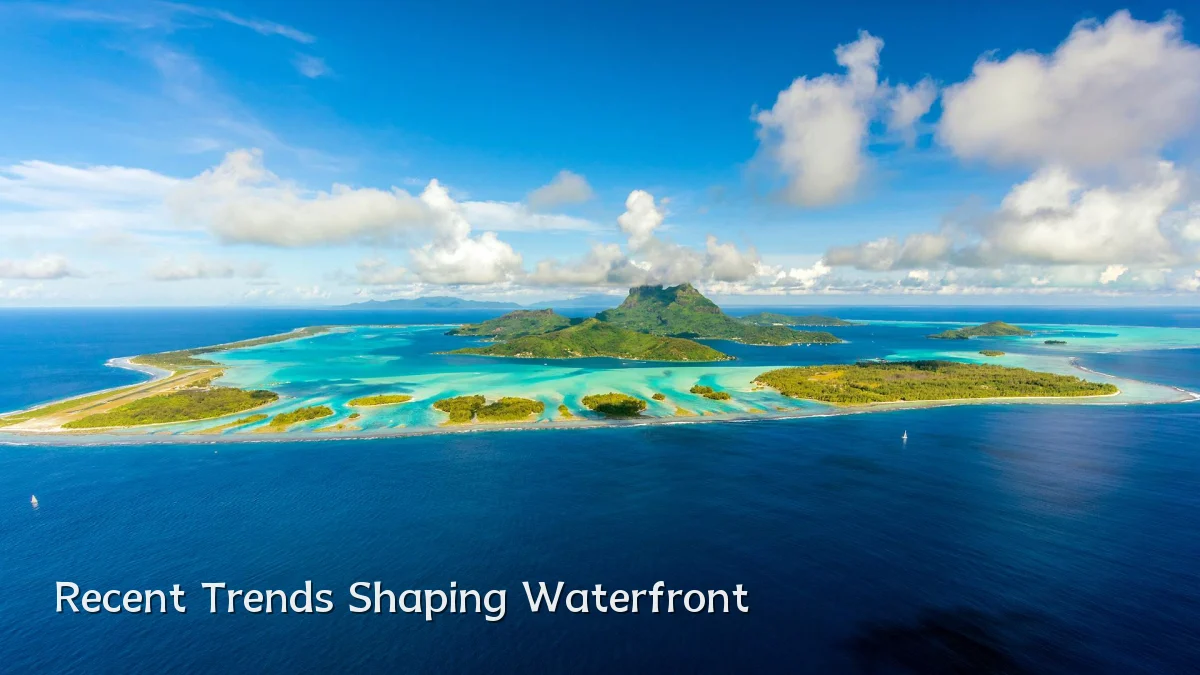
Background: Why Location Strategy Differs on the Water
Waterfront restaurants operate under distinct constraints compared to inland counterparts. Permitting, environmental regulations, flood zone insurance requirements, and shoreline erosion management add layers of complexity. Zoning may restrict building height, dock construction, or noise levels. Historically, the most successful waterfront concepts combine strong logistics—delivery access, parking, utility connections—with a location that protects against weather extremes and tidal shifts.

Key Concerns for Operators Evaluating Waterfront Sites
- Regulatory and environmental risk – Check local wetland protections, setback rules, and whether the site is in a flood hazard zone requiring elevation or special insurance.
- Seasonality and climate resilience – Determine if the site has indoor backup capacity or heating/temporary enclosures to extend operating months beyond peak summer.
- Access and infrastructure – Evaluate parking ratios, public transit stops, arrivals by boat or rideshare, and whether the city supports pedestrian-friendly promenades or boardwalks.
- Neighboring commercial mix – A site near complementary anchors—marinas, hotels, public parks, event spaces—drives steady foot traffic; isolated stretches may limit evening business.
- Visibility and brand fit – Waterfront sites with high visual exposure from roads or water attract impulse diners, but also require alignment with the restaurant’s price point and cuisine style to avoid perception mismatches.
Likely Impact of Strategic Location Choices
Selecting a waterfront site with proper due diligence can lead to higher average check sizes and stronger customer loyalty compared to inland peers, given the destination appeal. However, operators who underestimate regulatory timelines or seasonal dips may face prolonged ramp-up periods. Well-positioned restaurants that invest in flexible terraces and year-round microclimates (windbreaks, heaters, retractable roofs) are likely to outperform those that rely solely on warm-weather months. The overall effect on local dining markets: waterfront zones will see continued polarization between premium, full-service venues and fast-casual grab-and-go concepts optimized for high turnover.
What to Watch Next
- Municipal planning changes – Cities in coastal and lake areas are updating shoreline master plans; new density bonuses or height allowances could unlock harder-to-lease parcels.
- Climate adaptation investment – Grants or public funds for living shorelines, raised boardwalks, or stormwater management may reduce permitting friction for developers who design with resilience in mind.
- Mobility infrastructure – The growth of water taxis, ferry services, and e-bike shore routes will reshape which waterfront addresses are considered accessible.
- Kitchen and operations technology – Worsening labor shortages could make modular, space-efficient kitchen designs a deciding factor for tight waterfront footprints.
- Consumer preference shifts – Monitoring whether diners continue to value panoramic views over dining value—or demand both—will inform whether waterfront rents remain at a premium.