Farm-to-Table Finds: A Review of New Jersey's Best Seasonal Dining
Recent Trends
Over the past several growing seasons, New Jersey’s farm-to-table dining scene has shifted from a niche movement to a mainstream expectation. Chefs across the state are increasingly prioritizing hyper-local sourcing, often partnering directly with small family farms rather than large distributors. The most notable trend: seasonal menus that change weekly or even daily, driven by what is harvested that morning. Diners are seeing more vegetable-forward tasting menus, whole-animal butchery, and preserved ingredients (ferments, pickles, cured meats) that extend the "local" window into winter months.
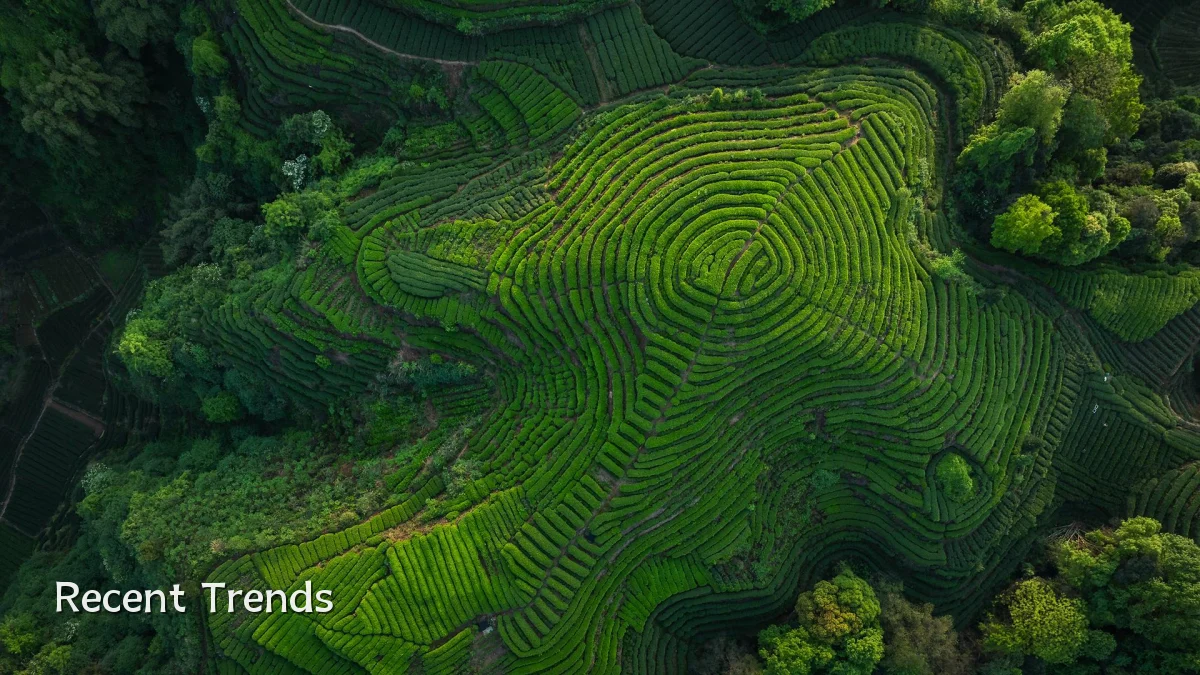
- Rise of "field-to-fork" experiences: several restaurants now offer farm dinners held on-site at partner farms.
- Increased use of heritage and heirloom varieties of produce (tomatoes, corn, squash) to differentiate menus.
- Collaboration between chefs and local aquaculture producers for freshwater fish and shellfish.
Background
New Jersey has long been known as the "Garden State," yet for decades much of its produce was shipped out of state while local restaurants relied on national supply chains. The modern farm-to-table movement gained traction in the early 2000s, driven by a handful of pioneering chefs who began forging direct relationships with growers. Regional farmers’ markets and community-supported agriculture (CSA) networks provided the infrastructure. Today, the state boasts dozens of dedicated farm-to-table restaurants, many concentrated in rural Hunterdon, Mercer, and Burlington counties, with urban outposts in Princeton, Montclair, and Red Bank.

“The connection between soil and plate is not just a marketing label — it fundamentally changes how a kitchen operates,” one chef noted during a recent industry panel. “We plan menus around what will be ripe in two weeks, not what we can order from a catalog.”
User Concerns
While the concept appeals to many diners, practical concerns persist. A review of customer feedback across multiple platforms reveals recurring themes:
- Price point: Farm-to-table meals often cost 20%–40% more than conventional restaurant meals, raising questions about accessibility.
- Seasonal limitations: Diners accustomed to year-round availability of certain ingredients (tomatoes, berries, asparagus) may be disappointed when menus lack those items off-season.
- Consistency: Because sourcing depends on weather and harvest conditions, the same dish can vary noticeably between visits.
- “Local” ambiguity: Some establishments label ingredients as local even when only one component (e.g., herbs) comes from within New Jersey, leading to skepticism.
Likely Impact
The continued growth of farm-to-table dining in New Jersey is expected to influence the broader food system in several ways. Economic benefits for small farms are tangible — many report that restaurant contracts provide a stable income base that farmers’ markets alone cannot. For diners, the trend encourages a deeper understanding of seasonality and food provenance, which may alter long-term shopping and eating habits. On the regulatory side, municipalities are beginning to update zoning and licensing to accommodate on-farm dining events and pop-up kitchens. However, a likely downside is increased competition for limited local supply, which could drive up raw ingredient costs for all restaurants.
| Stakeholder | Potential Benefit | Potential Risk |
|---|---|---|
| Small farms | Stable, premium-price contracts | Over-reliance on restaurant demand |
| Diners | Fresher, more flavorful meals | Higher menu prices, limited choices in winter |
| Restaurants | Strong brand differentiation | Supply volatility, higher labor for menu changes |
What to Watch Next
Industry observers and regular patrons alike are eyeing several developments that could shape the next phase of New Jersey’s farm-to-table dining.
- Expansion of indoor hydroponic and vertical farming in urban areas, which could extend local availability of greens and herbs year-round.
- Adoption of "climate-adaptive" menus where restaurants preemptively design dishes around crops expected to thrive in warmer, wetter conditions.
- Growth of cooperative buying groups that allow smaller restaurants to pool orders and access local farms that would otherwise require larger minimums.
- Potential certification or labeling standards (e.g., “True Garden State” or “Jersey Local”) to reduce ambiguity around sourcing claims.
For now, the state’s best seasonal dining experiences remain a moving target — driven by the rhythms of the land and the creativity of chefs who choose to work within them. The most recent harvests suggest that the range of flavors available in New Jersey is wider than many diners realize, and that the farm-to-table model, while not without friction, is here to stay.