Unique Banquet Venue Ideas That Go Beyond the Ballroom
Recent Trends in Banquet Venue Selection
Event planners and couples increasingly move away from conventional hotel ballrooms, seeking spaces that offer character and flexibility. The shift is driven by a desire for memorable backdrops and authentic atmospheres. Popular alternative categories now include:
- Converted industrial spaces (former factories, warehouses, lofts) with exposed brick and high ceilings
- Museums and galleries, where art collections serve as built-in décor
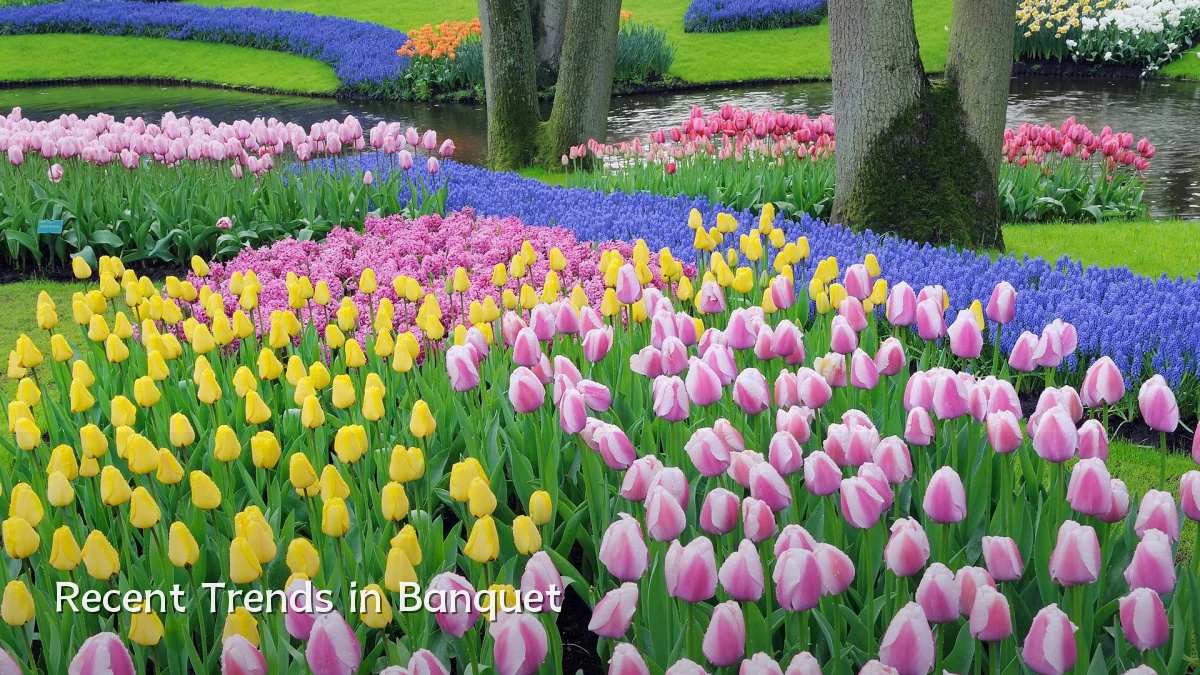
- Outdoor gardens, botanical conservatories, and urban parks with tented options
- Historic estates, barns, and ranches that provide rustic elegance
- Rooftop venues with city skyline views or waterfront terraces
- Libraries, aquariums, and science centers that double as interactive settings
Background: Why Traditional Ballrooms Are Being Rethought
Standard ballrooms often present limitations: uniform décor, restricted layout options, and a generic feel that can clash with personalized event themes. Planners report that guests now expect experiences beyond the typical seated dinner. The rise of social media sharing also pushes hosts toward visually distinctive environments that can generate organic buzz. Additionally, many modern venues offer in-house catering flexibility, allowing clients to bring preferred vendors or customize menus more freely than hotel ballrooms permit.

Key Concerns for Planners and Guests
Choosing a nontraditional venue introduces practical challenges that require careful evaluation:
- Capacity and layout: Non-rectangular spaces may limit seating arrangements or create awkward sightlines for presentations.
- Weather dependency: Outdoor or partially open venues need backup plans for rain, wind, or extreme temperatures.
- Accessibility: Historic or industrial sites often lack elevators, ramps, or adequate restrooms for all guests.
- Cost variability: Unique venues may charge higher base fees or require additional rentals (tents, lighting, portable restrooms) that inflate budgets.
- Sound and acoustics: High ceilings and hard surfaces can produce echoes; sound dampening may be necessary.
Likely Impact on the Events Industry
This trend is reshaping how venues market themselves. Traditional hotels are adding outdoor terraces, renovating ballrooms with movable walls, and creating breakout spaces to compete. Meanwhile, specialty venue managers are emerging—companies that broker access to private homes, artist studios, and underused civic spaces. Caterers and rental firms are expanding their inventories to handle nontraditional layouts, while insurance providers adjust policies for increased risk associated with unique structures. The overall effect is a more fragmented but creative marketplace that rewards early planning and thorough site inspections.
What to Watch Next
Expect growth in hybrid venues that blend indoor and outdoor areas, such as glass-walled pavilions and courtyard-to-rooftop complexes. Pop-up venue concepts—temporary installations in empty retail or public spaces—may gain traction for short-notice events. Virtual-reality preview tours will likely become standard for out-of-town clients who cannot visit in person. Additionally, sustainability requirements are prompting more venues to invest in solar power, composting, and reusable tableware, making eco-conscious design a factor in future venue choices.